

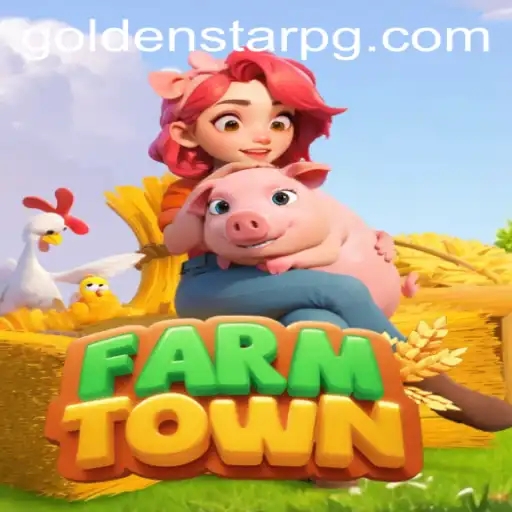
Exploring FarmTown: A Comprehensive Guide to Gameplay and Community Dynamics
FarmTown has become a cornerstone in the genre of simulation games. Emphasizing community engagement and strategic planning, it offers players a captivating experience of managing their own virtual farm. This article delves into the fundamental aspects of FarmTown, including its game description, introduction, and rules, while incorporating elements of current global events, which have increasingly influenced online gaming communities.
Introduction to FarmTown
FarmTown invites players into a vibrant digital environment where agriculture meets adventure. This virtual farming game stands out due to its commitment to realism and community interaction. Players begin their journey with a modest plot of land, gradually expanding their domain through strategic decision-making and collaboration with other players.
The rise of farming games like FarmTown correlates with the global trend of seeking out cathartic and constructive pastimes. Amidst turbulent times marked by a pandemic and socio-political shifts, players worldwide have found solace in the structured yet tranquil world of virtual farming.
In-Game Mechanics and Rules
FarmTown's gameplay revolves around the harmonious balance of crop cultivation, livestock farming, and trade. The primary objective is to grow and manage a successful farm by utilizing available resources wisely. Essential in-game currency is earned through harvesting crops and selling farm produce, which players can reinvest to purchase seeds, equipment, or expand their plot.
Cultivating Your Farm
Players must exhibit strategic foresight when deciding which crops to cultivate. Each plant species may vary in growth duration, market demand, and environmental conditions. Carefully balancing these factors is key to maintaining financial stability and ensuring a thriving farm.
Moreover, FarmTown incorporates seasonal changes and unpredictable weather patterns to heighten the challenge. Successful players must stay informed and plan their planting schedules to adapt to these dynamic conditions.
Community Engagement
A hallmark of FarmTown’s allure is its dynamic community-based gameplay. Players can connect, trade resources, and form alliances to tackle larger in-game challenges. This interactive element is particularly significant as it mirrors the current global trend towards virtualization of social experiences.
The COVID-19 pandemic catalyzed a shift in human interaction, with digital platforms becoming the primary mode of socialization. FarmTown has capitalized on this trend, providing a space for players to engage, cooperate, and compete. Events within the game encourage collective participation, fostering a sense of belonging in a time of widespread isolation.
Market Dynamics and Economic Strategies
The virtual economy within FarmTown is a thriving entity in itself. Players must navigate fluctuating market trends and prices to maximize profits. This economic simulation serves as an educational tool, reflecting real-world economic principles and encouraging strategic financial planning.
Recent global events, such as trade disruptions and economic sanctions, have underscored the importance of adaptability in economic strategies. FarmTown’s virtual marketplace mirrors these uncertainties, compelling players to continuously reassess their approaches to remain profitable. Palpite libertad offers players the chance to speculate market trends and make predictive trades, adding a layer of realism to the economic simulation.
The Role of Current Events in FarmTown
In the backdrop of contemporary global issues, FarmTown has risen as not only a source of entertainment but also an educational platform. As users engage with economic models and weather patterns, they inadvertently gain insights into the functioning of global markets and ecosystems.
The game's developers have been keen to incorporate real-time events into the gameplay. From climate change narratives to economic cooperation amid crises, FarmTown continuously evolves its content to align with the challenges faced by society.
Moreover, the game’s burgeoning community often mirrors societal debates, fostering discussions about sustainability, resource management, and ethical farming practices. By encouraging dialogue and knowledge sharing, FarmTown contributes to a greater understanding of these pressing issues among its player base.
Conclusion
FarmTown stands as a testament to the impact of simulation games on both personal and communal levels. It provides a platform for players to thrive, interact, and learn within a simulated environment that reflects the complexities of real farming and economic ecosystems. In doing so, it captures the essence of modern gaming as a form of both escapism and education.